
I’m taking a break from my regularly-scheduled programming to bring you this special message that may or may not be helpful during this time of seasonal surplus.
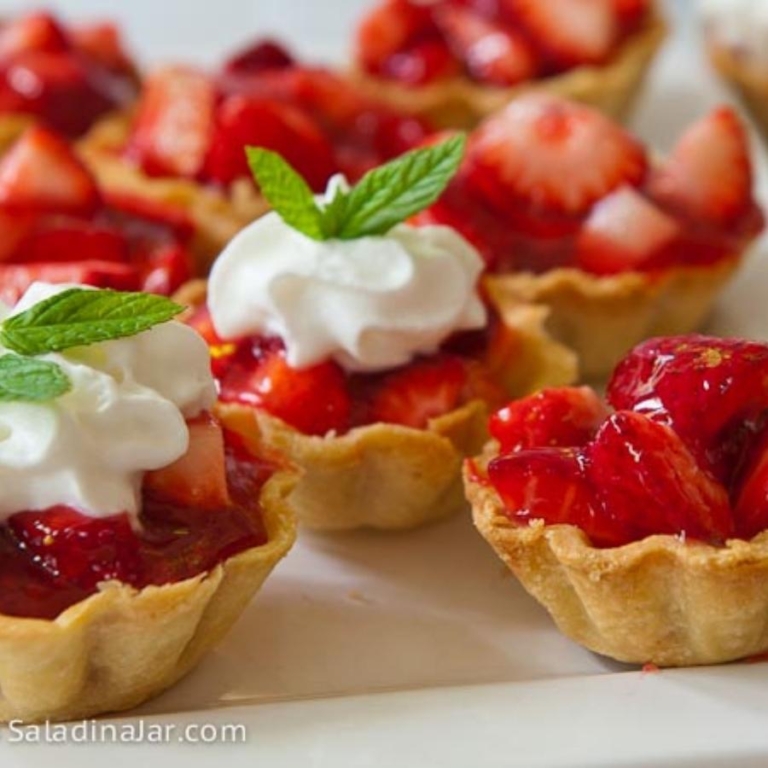
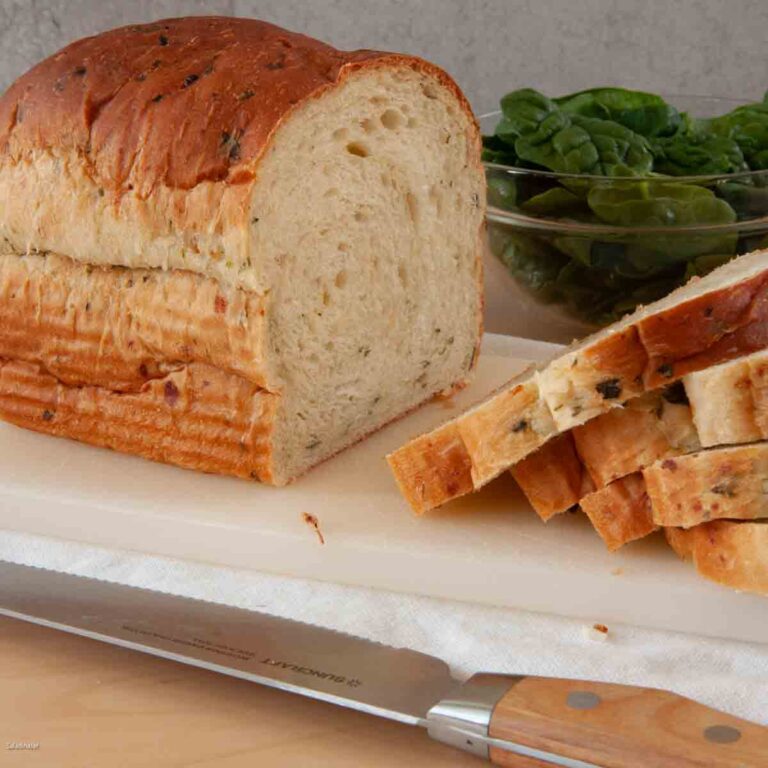
I know it's hard to tell in this picture, but these are half-size versions of standard-size baking pans.
Is it just me or do you also have trouble resisting leftover desserts from holiday celebrations? With Thanksgiving behind me, but hopefully not still ON my behind, I am contemplating my plan of defense against the traditional weight gain of the Christmas season. For me, the leftover pie, cake or cookies beckon most loudly when everybody has gone home. Of course, I try to pawn off any extra food, but I’ve observed that more and more, people decline. And who can blame them? Few of us need extra padding. Click here to read the details…
To my readers not interested in making yogurt, don’t miss the Cookies and Cream Brownies I posted on Facebook last weekend. They’re kinda evil.
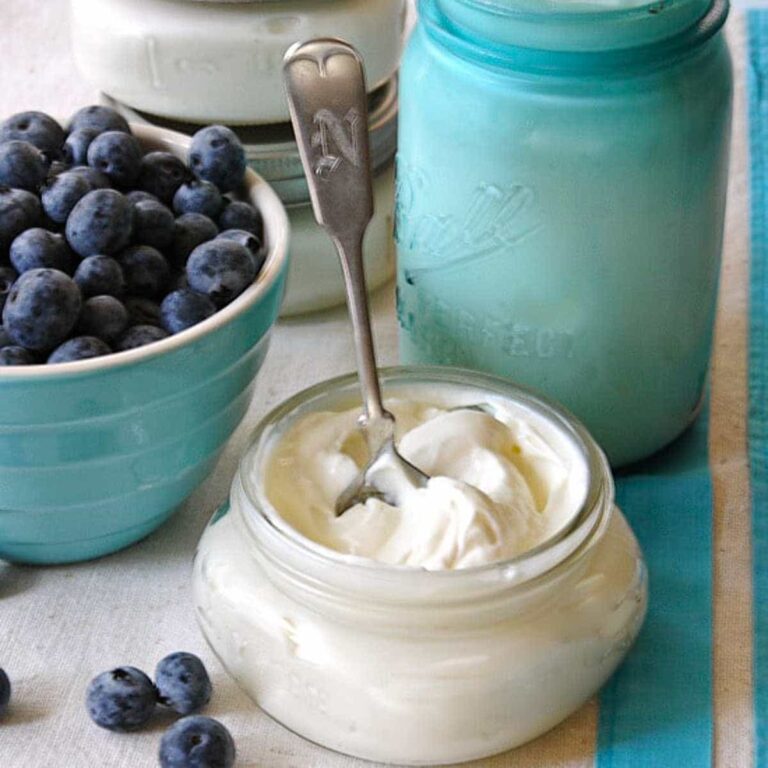
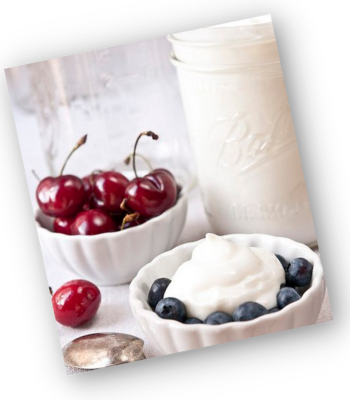
Whole milk Greek yogurt made with raw milk
These instructions are for making regular yogurt and Greek yogurt. Disregard the final step of straining for regular yogurt.
I feel like I’m entering rather treacherous territory, but I’ve had several inquiries about making Greek yogurt with raw milk (unpasteurized milk) on my Homemade Greek Yogurt post, so I decided to try it just so I can say I did.
I don’t have a cow in the backyard or the back forty. Raw milk is not available commercially in my town, but my son and daughter-in-law are in love with it, so they encouraged me to try it. By the way, thanks to Amanda for helping me photograph this post.
Please note: As a home economist, I’m not advocating adding raw milk to your diet. It’s a controversial practice not advised by the USDA. I encourage you to do your own research.
Back to the process. I have read that some people don’t heat their raw milk to 175 degrees in the beginning either because they want to save time or because they don’t want to kill certain bacteria. After doing side by side experiments, I have concluded that whether raw or pasteurized, milk which has not been heated to 175 degrees results in a rather thin yogurt. (Please see this recent interview with my daughter-in-law for her experience making yogurt without first heating the milk.) High heat helps to unravel the proteins which seems to aid the yogurt-making bacteria. Since I don’t like to drink my yogurt, and I’m not comfortable letting unheated raw milk sit at 100 degrees for 12 hours, I stick with the method that calls for high heat, then a cool-down before adding yogurt starter.
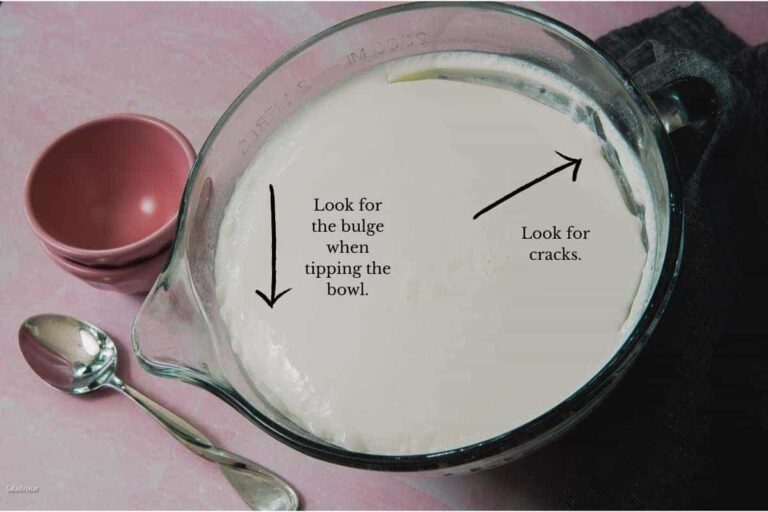
As it turns out, making Greek yogurt with raw milk is exactly the same process as pasteurized milk. What follows is a condensed tutorial. If you still have questions, check out my original post on making yogurt for more details.
Click here to see picture tutorial.
Divide and Conquer– A Skinny Secret for the Holidays
November 26, 2011
I’m taking a break from my regularly-scheduled programming to bring you this special message that may or may not be helpful during this time of seasonal surplus.
I know it's hard to tell in this picture, but these are half-size versions of standard-size baking pans.
Is it just me or do you also have trouble resisting leftover desserts from holiday celebrations? With Thanksgiving behind me, but hopefully not still ON my behind, I am contemplating my plan of defense against the traditional weight gain of the Christmas season. For me, the leftover pie, cake or cookies beckon most loudly when everybody has gone home. Of course, I try to pawn off any extra food, but I’ve observed that more and more, people decline. And who can blame them? Few of us need extra padding. Click here to read the details…
{ 16 comments }